Quick Answer
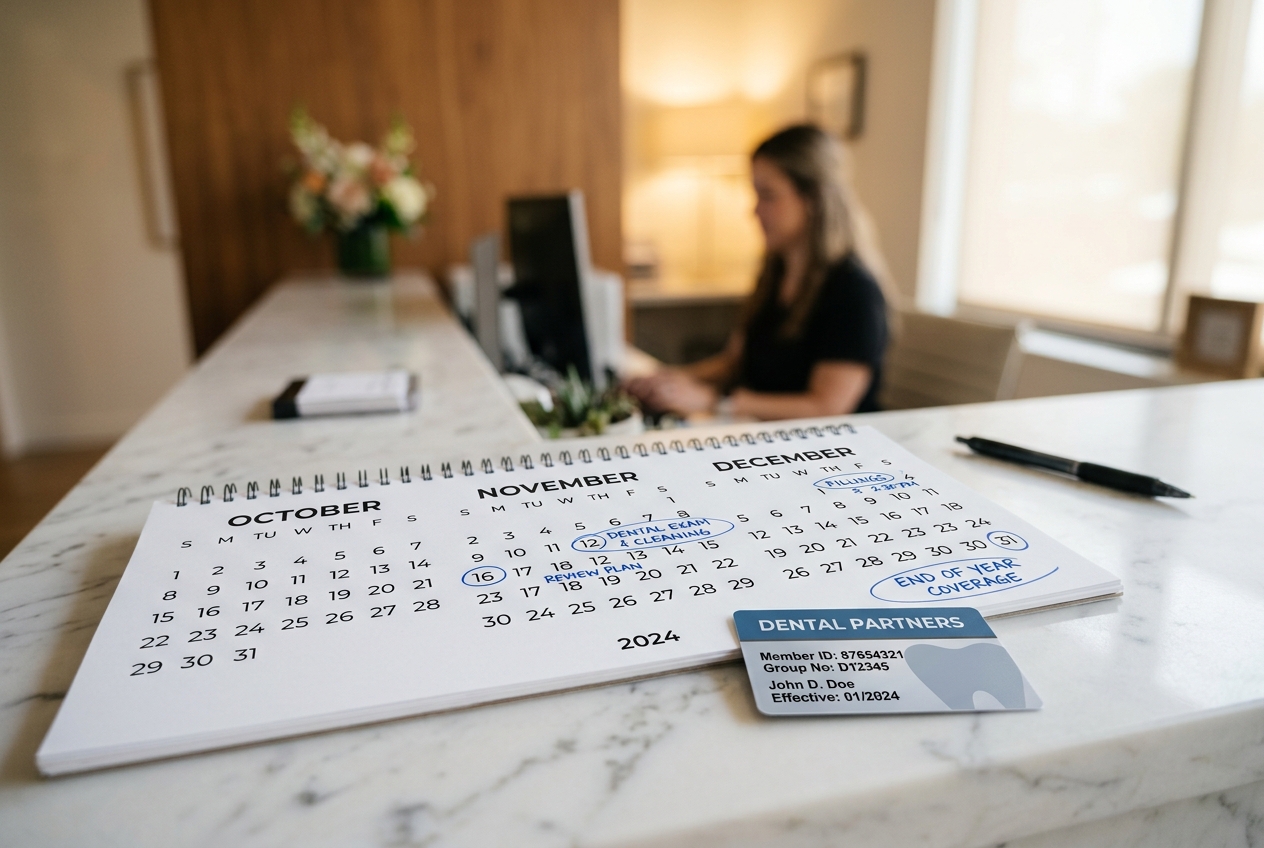
Most dental insurance plans reset their annual maximum on January 1st, which makes the October-through-December window the single highest-value scheduling opportunity most practices get all year. Practices that start building their "use it or lose it" campaign in late September — rather than waiting until the November scramble everyone else is doing — consistently capture more of that opportunity before the calendar gets impossibly tight.
Why This Window Is Worth Treating Differently
Every other recall campaign a practice runs is competing against a patient's general inertia — they'll get around to it eventually, there's no real deadline. The Q4 benefits window is different because there actually is a deadline, and it's one patients are increasingly aware of even without a practice reminding them. Annual maximums that go unused simply disappear on January 1st rather than rolling over, which means every dollar of remaining benefit is functionally expiring, whether or not the patient uses it.
Finding the Right Patients
Not every patient has meaningful unused benefit remaining, and blasting the entire patient list with a generic "use your benefits" message wastes the sense of urgency on people it doesn't actually apply to. The patients worth prioritizing:
- Patients with existing accepted treatment plans that haven't been scheduled — this is the highest-value group by far, since the clinical decision is already made and the only barrier is getting it on the calendar.
- Patients with a documented remaining annual maximum above a meaningful threshold — pulled directly from insurance verification data rather than guessed at.
- Patients overdue for a cleaning or exam who haven't been seen this benefit year at all — even a routine visit captures some of the remaining value and re-establishes the recall relationship going into next year.
Building the Campaign Timeline
Late September — the teaser. A light, informational message: "Did you know unused dental benefits typically don't roll over? Here's how to check what you have left." This plants the idea without demanding immediate action.
October — the direct push. This is where the bulk of scheduling outreach should land, giving the widest possible window of available appointment slots. Direct, specific messaging tied to each patient's actual remaining benefit works better here than generic reminders.
November — the reminder wave, targeted specifically at patients who engaged with the October outreach but didn't book, plus a fresh push to anyone who hasn't responded at all yet.
December — the last call, reserved for whatever appointment capacity is genuinely still available, with honest urgency rather than manufactured pressure.
The Scheduling Bottleneck This Creates
A successful Q4 campaign has a real downside if it isn't planned for: it can generate more demand than the schedule can actually absorb, particularly in December when appointment slots get genuinely scarce. Starting the outreach in September rather than November is partly about giving the schedule itself more room to absorb the demand across a longer window, rather than trying to cram three months of deferred dental care into three weeks.
Frequently Asked Questions
See PatientXpress in action
Book a 20-minute demo and watch it answer calls, book appointments, and run reactivation campaigns inside your practice management software.
Book Your Free Demopatientxpress.us | 949-542-6773