Quick Answer
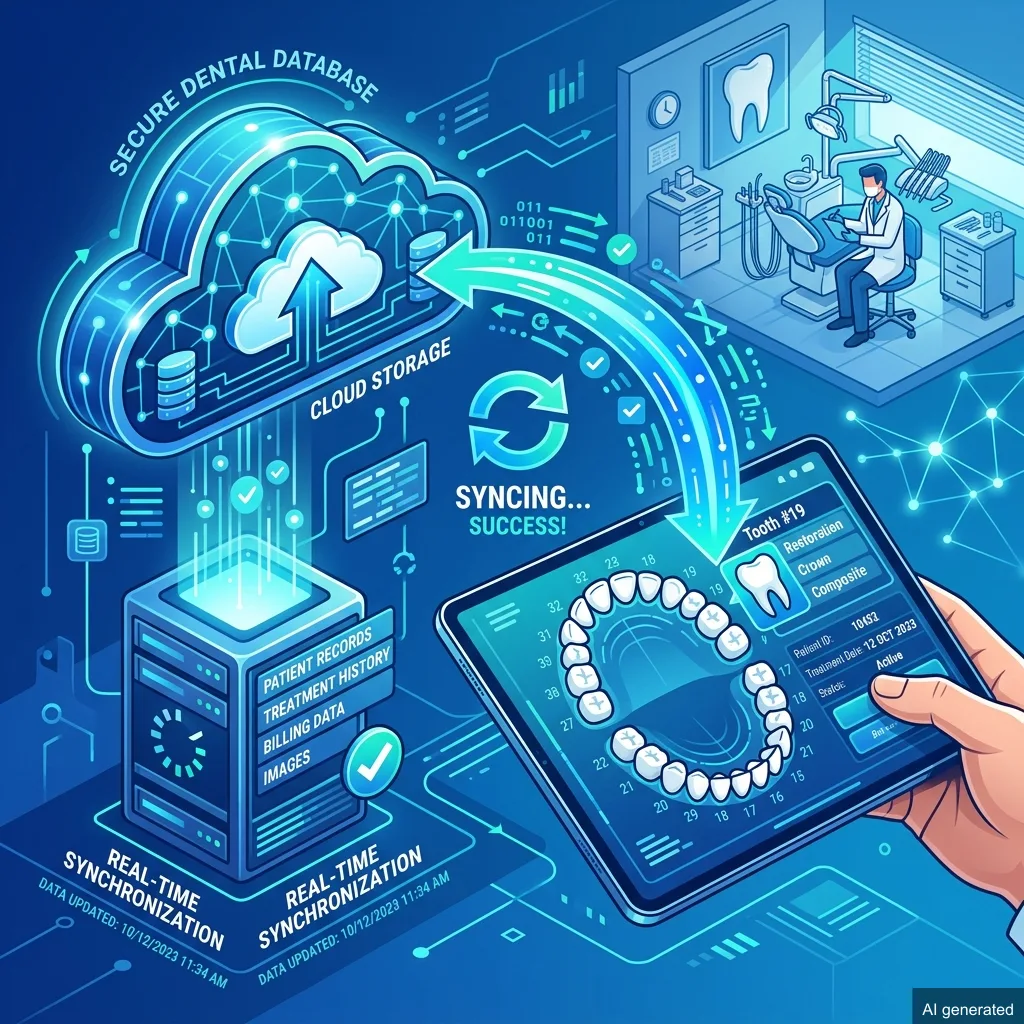
Native Open Dental integration means the software reads and writes inside your Open Dental database directly, in real time, rather than reaching it through a separate connector that syncs on a delay.
What is the difference between native and connected?
When a tool is connected to Open Dental through an outside layer, your information has to travel out to that tool, get processed, and travel back. That round trip introduces delay and a point of failure. When a tool is native, it works inside Open Dental itself, so the schedule your front desk sees and the schedule the software acts on are the same schedule at the same moment.
PatientXpress was built to work natively with Open Dental. There is no middle layer to maintain and no separate copy of your data to keep in agreement with the original.
Why does native integration matter for a dental practice?
The practical payoff is reliability. Appointments book into the correct provider column without a delay, notes land in the right chart, and your team is never working from a version of the schedule that is a few minutes out of date. Fewer moving parts means fewer of the small errors that quietly create extra work.
Does native integration replace Open Dental?
No. Native integration adds capability on top of the practice management software your team already runs. You keep Open Dental as your home base, and tools like the AI Dental Receptionist work inside it rather than asking your staff to learn a separate system.
Frequently Asked Questions
See the AI Dental Receptionist in action
Book a 20-minute demo and watch it answer calls, book appointments, and run reactivation campaigns inside your practice management software.
Book Your Free Demopatientxpress.us | 949-542-6773