Quick Answer
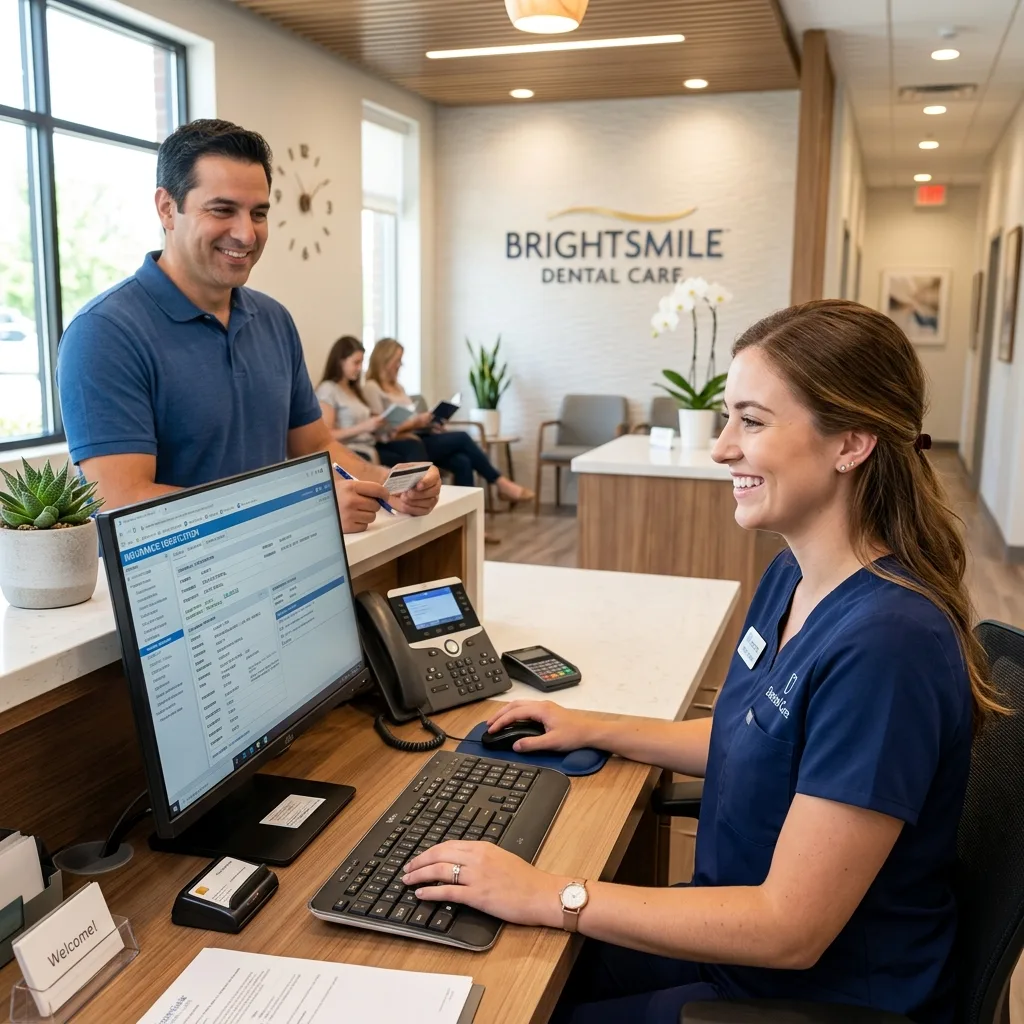
Dental insurance eligibility verification is the process of confirming a patient's coverage, benefits, and limitations before their appointment. Done right, it confirms active coverage, plan maximums, deductibles, frequency limitations, and procedure-level benefits two to three days before the visit. Verifying ahead of time prevents claim denials, supports accurate treatment plan estimates, and avoids billing surprises at checkout. Automation now handles most verification without manual phone calls.
Insurance eligibility verification is unglamorous and absolutely essential. Get it right and claims get paid, treatment estimates are accurate, and checkout goes smoothly. Get it wrong and you face denied claims, angry patients, and write-offs.
Here is a practical guide to verifying eligibility correctly, including when to do it, what to confirm, and how automation has changed the process.
What does eligibility verification confirm?
Thorough verification confirms more than just whether coverage is active. It captures the details that determine what gets paid.
- Active coverage status and effective dates
- Annual plan maximum and amount used
- Deductible amount and how much is met
- Procedure-level coverage percentages
- Frequency limitations on cleanings, exams, and x-rays
- Waiting periods and missing tooth clauses
- Coordination of benefits for dual coverage
When should you verify eligibility?
The sweet spot is two to three business days before the appointment. That is late enough that the data is current but early enough to resolve any problems before the patient arrives.
For new patients, verify as soon as the appointment is booked and again a few days before, since coverage can change between booking and the visit.
What goes wrong with manual verification?
Manual verification fails in two ways. It is slow, consuming hours of front desk phone time with insurers. And it is incomplete, because under time pressure staff often capture only active or inactive status rather than the full benefit detail.
Incomplete verification is where denied claims come from. A cleaning booked without checking frequency limitations, a procedure assumed covered that is not, a maximum already exhausted. Each becomes a denial or a billing surprise.
How does automated verification fix this?
Automated verification pulls the full benefit breakdown directly from payer and clearinghouse data, days ahead of the appointment, without anyone making a call. The front desk arrives to verified benefits already attached to each patient.
It also runs continuously, so every upcoming appointment gets verified on schedule rather than depending on someone remembering to do it. The hours saved are real, and the denial reduction is the bigger long-term win.
How does verification support treatment planning and scheduling?
Accurate, verified benefits make treatment plan estimates credible, which improves case acceptance. They prevent checkout surprises that damage patient trust. And when verification is integrated with scheduling, the AI Dental Receptionist can reference coverage context when booking and confirming appointments.
Verification is a foundation. When it is solid and automated, everything downstream runs cleaner.
Frequently Asked Questions
See the AI Dental Receptionist in action
Book a 20-minute demo and watch it answer calls, book appointments, and run reactivation campaigns inside your practice management software.
Book Your Free Demopatientxpress.us | 949-542-6773