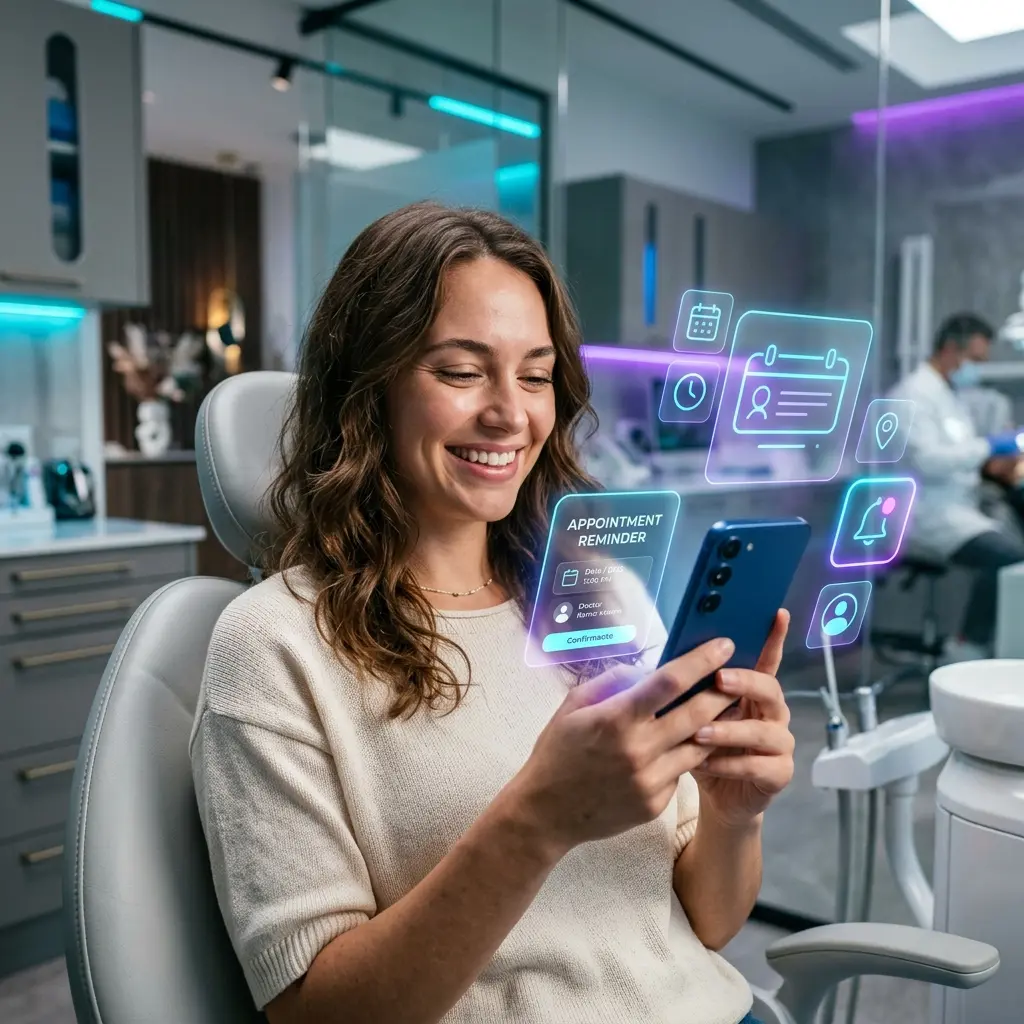
Quick Answer
A dental appointment reminder is a text, email, or phone outreach that tells a patient about an upcoming appointment and gives them an easy way to confirm or reschedule. The most effective reminders use a sequence (text first, then a follow-up call if no response), arrive 48 to 72 hours before the visit, and include a one-tap confirmation. Practices using AI-driven reminder systems see no-show rates drop by 20 to 40 percent compared to manual outreach.
Dental appointment reminders are one of those topics that look simple from the outside and turn out to be a science once you actually try to fix the no-show rate. Every practice sends reminders. Most are not happy with the results.
The difference between reminders that work and reminders that get ignored comes down to four things: timing, channel, sequencing, and ease of confirmation. Here is what we have learned from running reminder programs across hundreds of dental practices.

What is the best timing for dental appointment reminders?
The 48 to 72 hour window before the appointment is the sweet spot. Earlier than that and the patient files the reminder away and forgets. Later than that and there is not enough time to fill the slot if they need to reschedule.
Send the reminder Friday afternoon for a Monday appointment. Send it Monday afternoon for a Wednesday or Thursday appointment. A second light-touch reminder the morning of the appointment helps for patients who confirmed but might have forgotten.
What channel works best: text, email, or phone?
Text first. Text response rates for dental appointment reminders run 70 to 85 percent. Email response rates run 15 to 30 percent. Phone reaches the patient maybe half the time, with most going to voicemail.
But text alone is not enough for every patient. Older patients respond better to phone outreach. Patients with kids respond better to email. The right reminder system uses the channel that works for the specific patient, not a one-size-fits-all approach.
What should the reminder actually say?
Short, specific, and easy to act on. The patient should know in one glance what appointment, what day, what time, and how to confirm or reschedule.
Example: 'Hi Sarah, this is Smith Family Dental. We will see you Wednesday May 15 at 2:30pm for your cleaning. Reply C to confirm or R to reschedule.' That is the entire message. No marketing. No filler. The patient can act on it in three seconds.
How does AI improve dental appointment reminders?
AI does three things that manual or basic reminder systems struggle with.
- Sequenced outreach. If the patient does not respond to the text, the AI follows up with a call 24 hours later. If they ask to reschedule, the AI handles the rescheduling conversation and books a new slot.
- Two-way conversation. Patients can text back questions ('Can I switch to Thursday?'), and the AI handles them in the same thread instead of bouncing the message to the front desk.
- Cancellation backfill. If a patient reschedules and creates an open slot, the AI immediately works the ASAP list to fill it before the day of the appointment.
What no-show rate should a well-run reminder system produce?
Most dental practices see no-show rates between 5 and 15 percent. The best-run reminder programs we work with sit at 2 to 5 percent. That is what good looks like.
The math on that gap is real. If your practice averages 30 hygiene visits a day and your no-show rate drops from 12 percent to 4 percent, that is 2.4 additional appointments completed per day. Across 250 working days, that is 600 additional visits a year. Reminders that work are not a small lever.
Frequently Asked Questions
See the AI Dental Receptionist in action
Book a 20-minute demo and watch it answer calls, book appointments, and run reactivation campaigns inside your practice management software.
Book Your Free Demopatientxpress.us | 949-542-6773